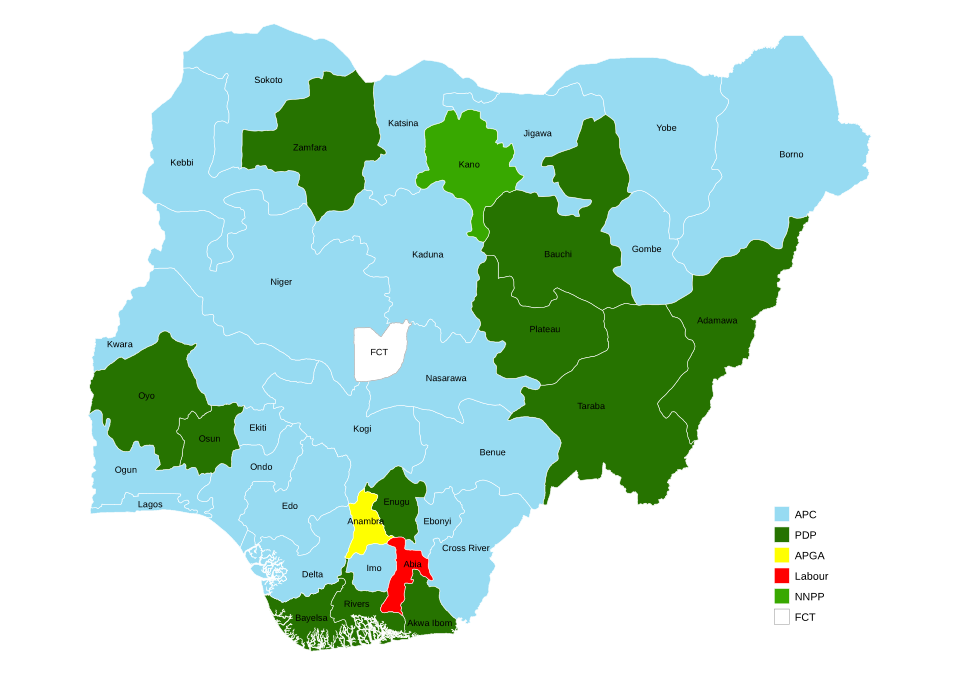
As Nigeria gradually moves closer to the 2027 general elections, one reality has become increasingly clear: many citizens are unhappy with the current state of the nation and are hoping for political change.
Across different parts of the country, concerns about the rising cost of living, inflation, insecurity, unemployment, and economic hardship have continued to dominate public discussions. For many Nigerians, the expectation is that the next election will provide an opportunity to chart a new course for the country.
However, while public dissatisfaction with President Bola Tinubu's administration appears to be growing outside the ruling All Progressives Congress (APC), the opposition faces a major challenge of its own — a lack of unity and a clear alternative capable of mounting a serious challenge.
One of the biggest obstacles confronting opposition parties is internal division. Several opposition platforms continue to grapple with leadership disputes, internal crises, and competing interests. Rather than presenting a united front, many appear more focused on resolving their own internal issues.
This situation raises concerns among Nigerians who are eager for change. While many citizens are willing to support an alternative political direction, there is uncertainty about which opposition party or candidate can effectively mobilise nationwide support and provide a credible challenge to the ruling party.
Political history has shown that dissatisfaction with an incumbent government does not automatically guarantee its defeat at the polls. Elections are often won through a combination of strong grassroots structures, strategic alliances, effective mobilisation, and a unified political message.
At present, the APC remains the most organised political force in the country, with established structures across states and local government areas. In contrast, opposition parties appear fragmented, with no clear consensus on leadership or strategy.
For many observers, the question is no longer whether Nigerians desire change, but whether the opposition can organise itself into a credible and competitive alternative before 2027.
If opposition parties fail to build stronger alliances, resolve internal conflicts, and present candidates capable of inspiring broad national confidence, public frustration with the current administration may not be enough to alter the outcome of the next presidential election.
As the political landscape continues to evolve, Nigerians will be watching closely to see whether the opposition can transform widespread public dissatisfaction into a viable electoral movement capable of challenging the ruling party in 2027.


💬 Comments 0
Leave a Comment
No comments yet.
Be the first person to comment on this article.