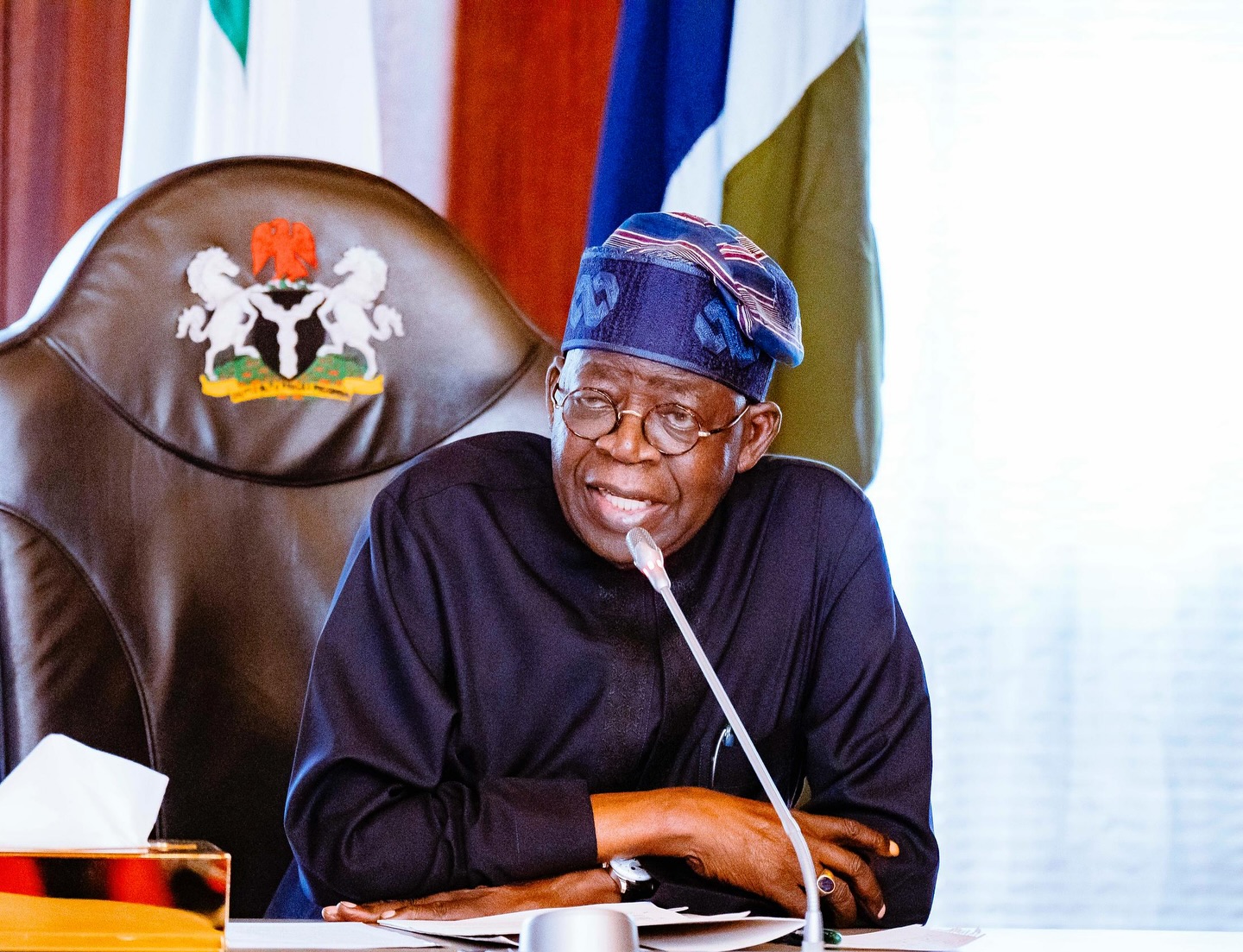
President Bola Tinubu has expressed optimism about Nigeria’s future, stating that the country is gradually overcoming a challenging period of economic reforms and is now on a path toward greater stability, growth, and prosperity.
In a statement marking the third anniversary of his administration on May 29, 2026, the President said difficult moments often precede national progress, adding that Nigeria is currently undergoing a critical phase that will ultimately strengthen the nation.
According to Tinubu, the sacrifices made by Nigerians since the introduction of key economic reforms have begun to yield positive results, with the economy showing signs of recovery and renewed investor confidence.
He acknowledged the hardships experienced by citizens but maintained that the measures implemented by his administration were necessary to avert a deeper economic crisis.
The President said his government inherited significant economic and structural challenges, including mounting fiscal pressures, costly fuel subsidies, declining government revenues, exchange rate distortions, rising debt obligations, insecurity, and declining public trust in institutions.
Tinubu noted that at the peak of the fuel subsidy regime, Nigeria spent approximately N18.4 billion daily on subsidies, amounting to more than N4 trillion in 2022 alone. He also stated that multiple exchange-rate windows and foreign exchange arbitrage cost the country over N8 trillion within three years.
Defending the reforms, he argued that decisive action was required to stabilise the economy and prevent a potential fiscal crisis.
According to the President, while the reforms have imposed significant short-term burdens on households, businesses, and workers, they were necessary to secure the country's long-term economic future.
He acknowledged that many Nigerians, particularly young people seeking employment opportunities, have faced difficult circumstances during the transition period.
Despite these challenges, Tinubu said there are encouraging signs that the economy is improving. He pointed to stronger public finances, increased resources for state and local governments, growing investor confidence, and significant growth in the capital market.
The President highlighted the performance of the Nigerian stock market, noting that the All Share Index had risen substantially since 2023, while market capitalisation had expanded significantly. He added that several companies are now reporting record profits and shareholder returns.
Tinubu also cited progress in infrastructure development, revealing that more than 2,700 kilometres of highways and major roads are currently under construction, rehabilitation, or reconstruction across the country.
Among the projects highlighted were the Lagos-Calabar Coastal Highway, the Sokoto-Badagry Super Highway, the Abuja-Kaduna-Zaria-Kano Road, the East-West Road, and numerous rural access road projects.
He said ongoing rail modernisation projects are also expected to improve transportation, logistics, and economic integration nationwide.
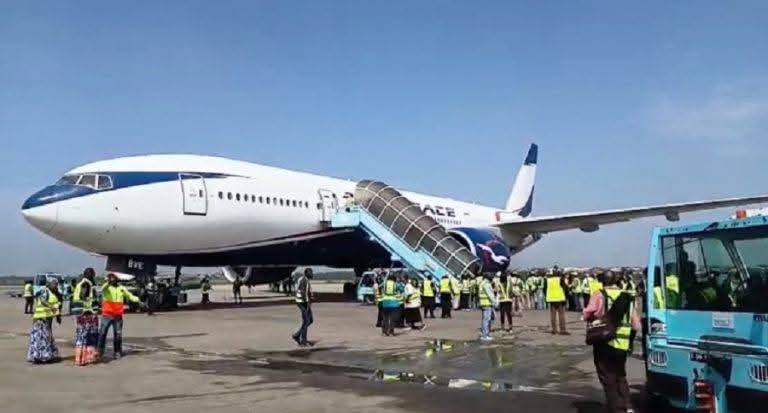
In the oil and gas sector, the President said reforms introduced by his administration have attracted fresh investments and renewed confidence among international investors.
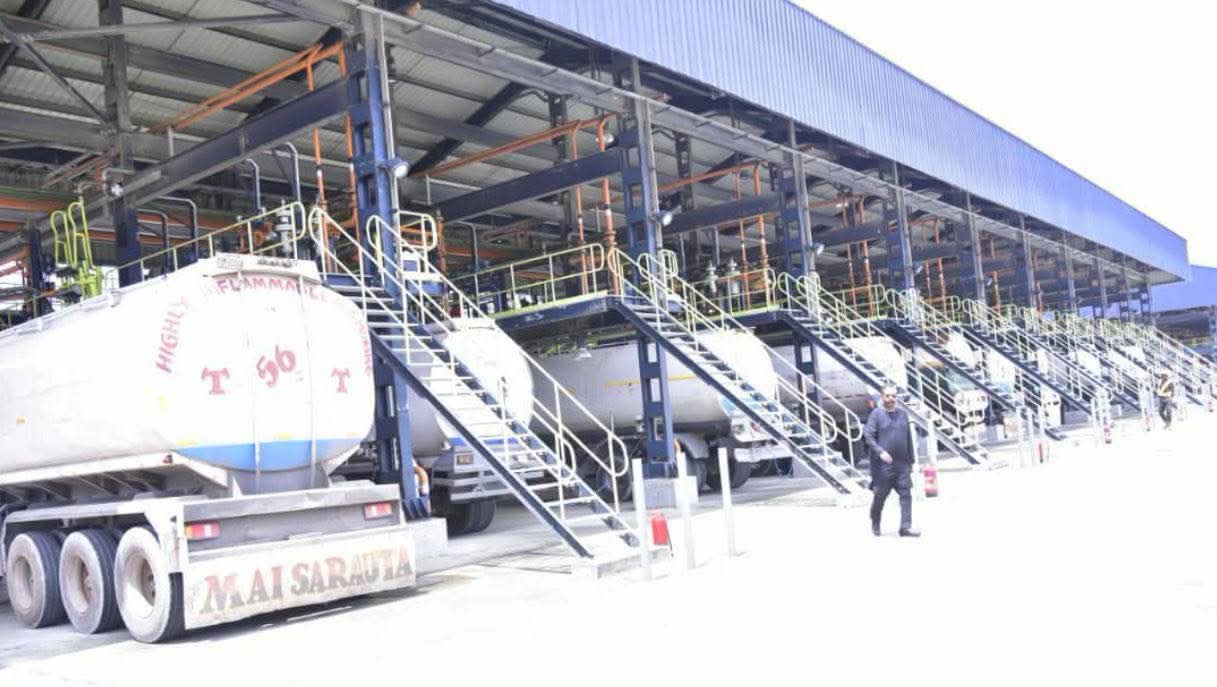
He disclosed that the Nigeria LNG Train 7 project is nearing completion and is expected to boost gas production, exports, and national revenue. He also noted improvements in domestic refining capacity, which he said are enhancing the country's energy security.
Tinubu further highlighted achievements in education, revealing that the Nigerian Education Loan Fund has enabled more than 1.5 million students to access higher education through the disbursement of over N282 billion in loans and support.
On housing, he said the Renewed Hope Housing Programme and initiatives by the Federal Housing Authority are delivering more than 10,000 housing units across 14 states and the Federal Capital Territory, while also creating hundreds of thousands of jobs.
The President added that his administration is strengthening the healthcare sector through the revitalisation of primary healthcare centres and expanded health insurance coverage for vulnerable citizens.
Addressing the power sector, Tinubu said the government is tackling longstanding issues that have limited electricity generation and distribution. He noted that efforts are underway to clear legacy debts, expand transmission infrastructure, invest in renewable energy, and strengthen the national grid.
He also pointed to renewed investment in the telecommunications industry, stating that operators are expanding network coverage, investing in infrastructure, creating jobs, and improving digital connectivity across the country.
On security, Tinubu said the Armed Forces and other security agencies have intensified operations against terrorism, banditry, kidnapping, oil theft, and organised criminal networks.
While acknowledging that security challenges persist, he said several communities and transportation corridors have become safer due to ongoing operations.
The President assured Nigerians that his administration remains committed to restoring peace and ensuring citizens can live, work, and travel safely.
Although he admitted that many challenges remain unresolved, Tinubu insisted that the foundation for national recovery has been established.
He emphasised that the next phase of governance would focus on ensuring that the benefits of the reforms are felt more directly by ordinary Nigerians through improved living standards, expanded opportunities, and sustained economic growth.
Expressing confidence in the nation’s future, the President urged Nigerians to remain hopeful and united, stressing that the country is moving toward a stronger, more prosperous, and more inclusive future.


💬 Comments 0
Leave a Comment
No comments yet.
Be the first person to comment on this article.